Emergency Plumbing & Boiler Repair · Archway, London
Power Flushing in Archway, London
Emergency Boiler Repair and Plumber arranges power flushing for Archway homes where the radiators heat unevenly, the boiler kettles or the water that comes out is black. A power flush forces water through the heating circuit at speed to shift the sludge and scale that decades of heating leave behind. Book through 07463 596668.
Why here? Because the houses are old and the water is hard. Upper Holloway's Victorian terraces were fitted with steel panel radiators and iron pipework over several heating generations, and every corroding surface sheds magnetite sludge into the circulating water. Add Thames Water's hardness (about 266 mg/l calcium carbonate in London's 2025 report) and scale joins the sludge in the narrowest, hottest parts of the system.
The partner company that attends tests the water, connects a flushing machine, works through each radiator in turn, then finishes with inhibitor and, if the system has none, a magnetic filter. Published London 2026 guides put a full power flush at roughly £300 to £600, and the written quote you agree names the number of radiators and what is included.
The work is built to BS 7593, the British Standard for preparing and cleansing heating systems, and to the boiler manufacturer's instructions. A flush is worth doing before a new boiler goes in, and our partners will tell you honestly when it is not, such as on a system that is fairly clean and just needs balancing.
What We Do
What a Power Flush Does, Step by Step
A flush is a sequence of steps, and what each one does explains why it works.
Testing and Connecting the Machine
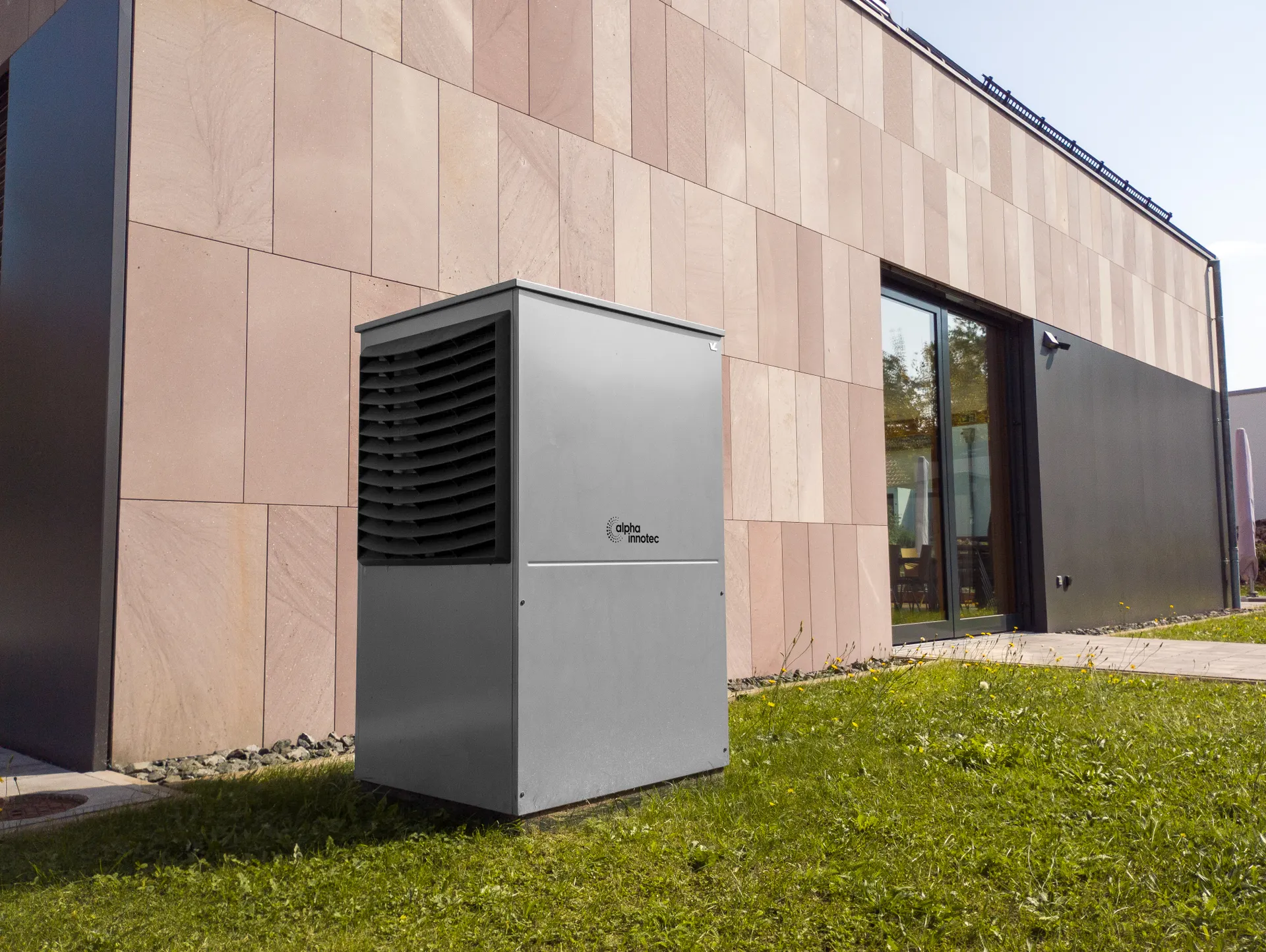
The partner company tests the water for pH and contamination, then connects a pump and filter unit to the circuit, often at the pump or a radiator. Black or brown water, a high iron count and low flow are the signs a flush will help. If the system is clean, the company will say so and save you the cost.
Flushing Radiator by Radiator
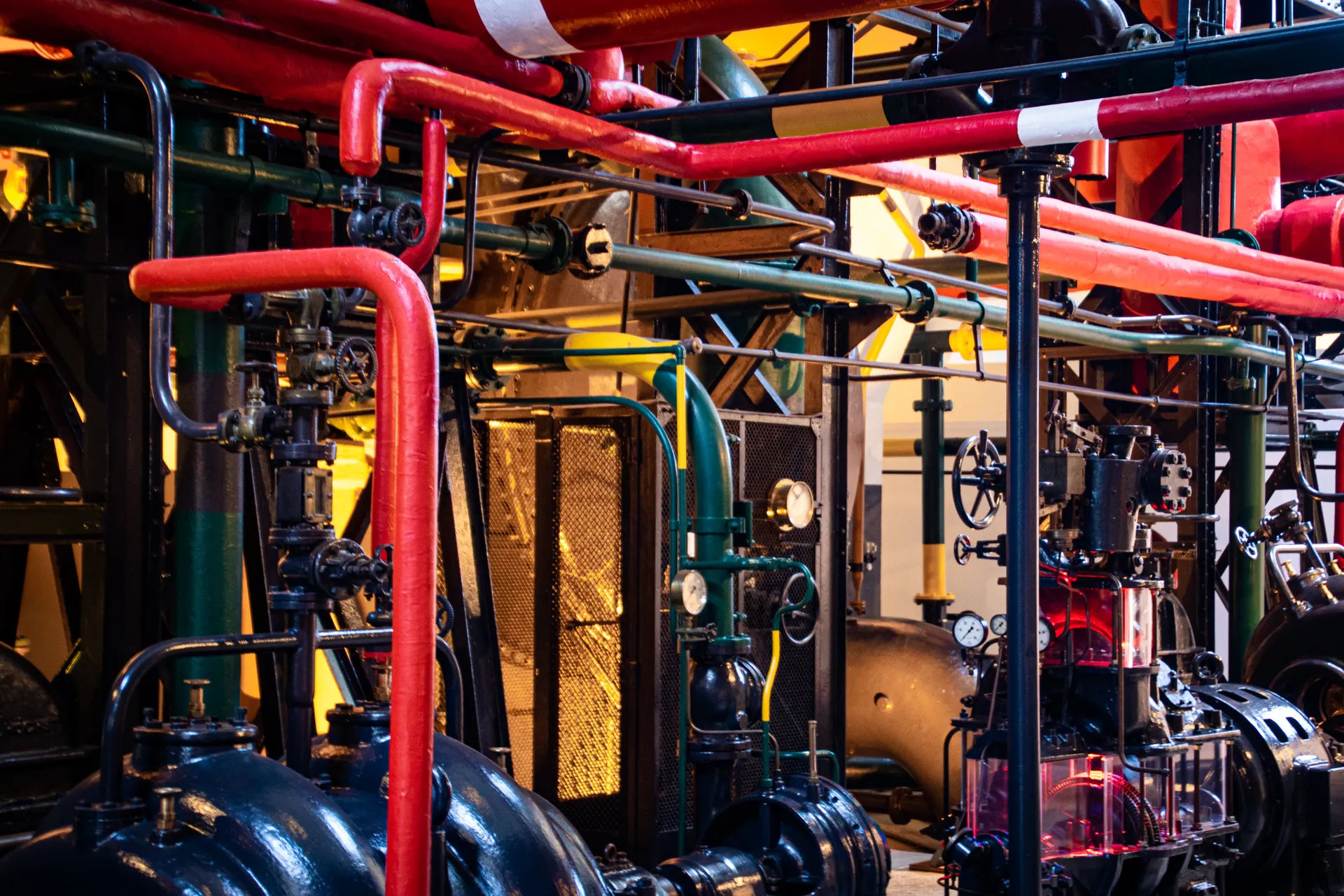
Valves are isolated so each radiator is flushed in turn, with water reversed through it at speed and a chemical cleaner added to loosen hard deposits. Each radiator is tapped to dislodge sludge, and the flow is reversed until the water runs clear. On a long Victorian run this takes patience and is why it is a day's work.
Inhibitor, Filter and Rebalance
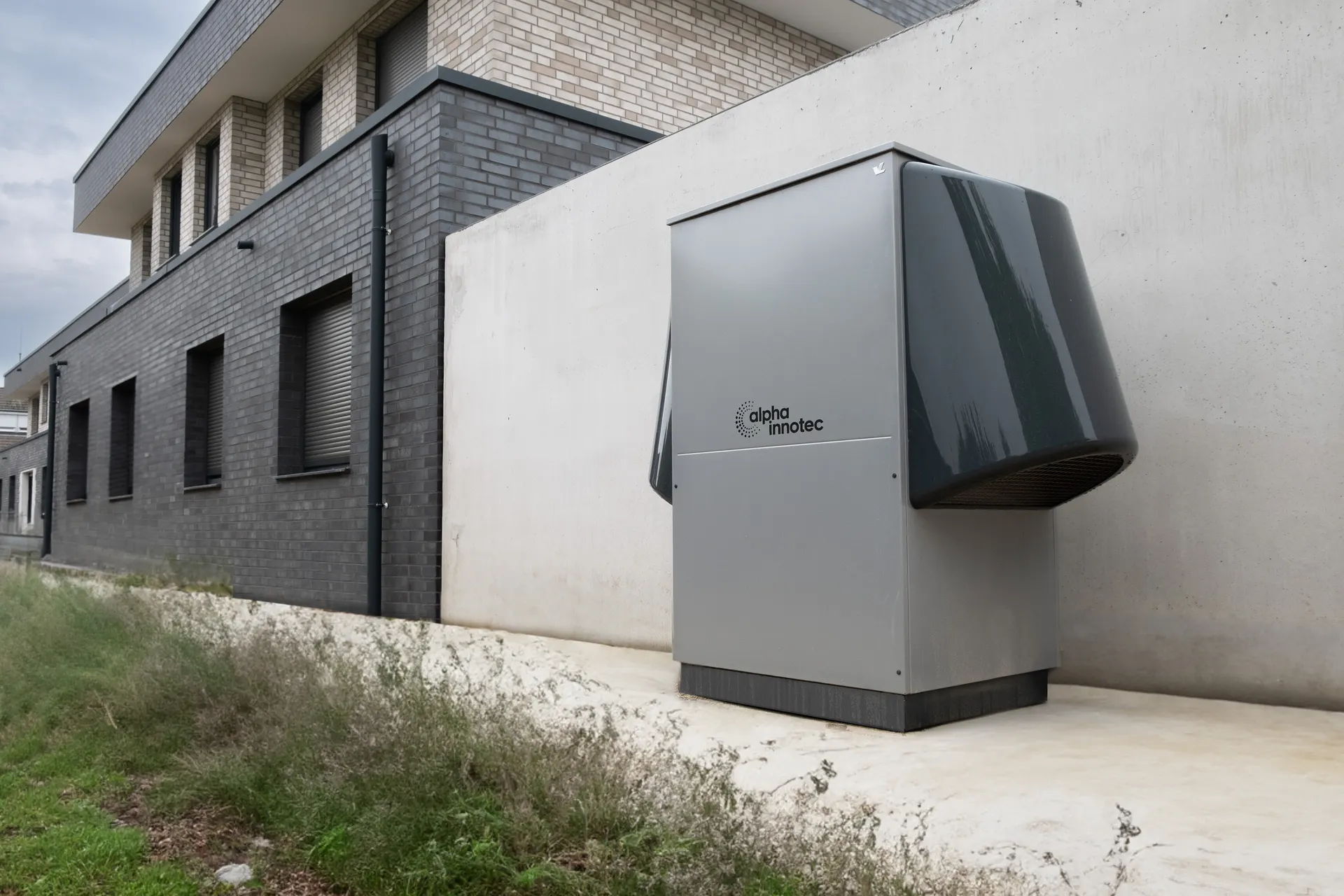
Once the system runs clear, a corrosion inhibitor is added and a magnetic filter fitted if there is none, so the sludge is caught rather than recirculated. The radiators are then rebalanced, because a flushed system often delivers heat more evenly than it has in years.
The Benefits
What You Get After a Flush
The visible change is warm radiators, but the bigger gain is what the flush does for the boiler.
Radiators That Heat All the Way Across
Clearing sludge returns radiators that were cold at the bottom to full heat. Rooms warm faster and the boiler does not have to run so long to get there, which is why a flush often feels like a better boiler without replacing anything.
A Longer Life for the Boiler and Pump
Sludge and scale strain the pump and block the heat exchanger. A clean, inhibited system protects both, and is the condition manufacturers expect when a new boiler is fitted. See boiler installation for how a flush fits that job.
Quieter, More Efficient Heating
Kettling and banging often ease once sludge and scale go, and a boiler that heats a clean system works nearer its designed efficiency. That helps with bills and with the efficiency standards Building Regulations Part L aims for.
Good to Know
Is a Power Flush Right for Your System?
A flush is not for every house, and a quick look at the symptoms tells you whether it is worth asking.
Signs a Flush Would Help
The more of these you recognise, the more likely a flush pays for itself.
- Radiators cold at the bottom or in the middle but hot at the top
- Brown or black water when you bleed a radiator
- Boiler noise, kettling or repeated lockouts on a hard-water system
- A system more than ten years old that has never been cleansed
- A new boiler about to be fitted onto old pipework
When Something Else Is Better
A good partner company will recommend the cheaper fix if one exists.
- Only one radiator is cold, which may need a valve or removal and clean
- Heating is cold throughout, which points to the pump or a zone valve
- Pipework is badly corroded or leaking and may need replacement first
- The water is clean and the issue is balancing or controls
- A single clogged radiator that can be taken off and flushed alone
Why Us
Why Archway Households Trust the Process
A flush is cheap compared with a boiler, and it only pays off if it is done properly.
Tested Before Quoted
The partner company tests the water before proposing a flush, so you are not sold one unnecessarily. If the system needs it, the written quote states the number of radiators, the chemicals and the filter.
Old-House Circuits Understood
Systems in Whitehall Park, Tollington Park and Highgate often mix copper and steel with several generations of radiators. The partner company flushes with that mix in mind, and avoids pushing past weak joints.
One Number for the Follow-Up
If a radiator is still cold after the flush, ring us and we chase the partner company. Our central heating repair page covers other causes, and how we work explains the process.
Flushing and the Rest of the System
A flush is one part of heating health. Radiators that are still cold afterwards may need central heating repair, a sludged system with an ageing boiler may lead to installation and replacement, and a boiler service keeps the whole thing in shape.
Which Streets Benefit Most
The Victorian terraces of Upper Holloway and Tufnell Park have the oldest radiator circuits, and Highgate's larger houses have the most radiators to clean. The same number covers Upper Holloway, Tufnell Park and Highgate. See all services or return to the home page.
The First Months After a Flush
A power flush resets a heating system, and a few simple habits make the reset last. Check the magnetic filter after a few weeks, as it will catch the last of the loosened debris, and ask the partner company how to clean it safely. Keep the boiler pressure steady, bleed any radiator that is cool at the top and book your annual boiler service so the inhibitor level is checked. In a hard-water borough like this one, that routine does more for boiler life than any single expensive repair.
Power Flushing Before a New Boiler or After a Long Neglect
Two situations make a flush most worthwhile. The first is a boiler replacement, where the old circuit's sludge would otherwise travel straight into the new heat exchanger. The second is a system that has gone ten years or more without cleaning, where the radiators have slowly lost output and the owner has simply turned the thermostat up. In both cases the partner company tests the water first and tells you plainly whether a flush will change anything, since the honest answer on a clean system is that it will not.
Frequently Asked Questions
How much does a power flush cost in London in 2026?
Published London price guides for 2026 put a full-system power flush at roughly £300 to £600, depending on the size of the house and the number of radiators. A small flat sits near the lower end and a large Victorian house with a dozen radiators near the upper. The partner company writes the price down after assessing the system, and it should say what is included such as chemicals and a filter.
What is the difference between a power flush and a normal chemical flush?
A chemical flush circulates cleaner through the system using the boiler's own pump, which is gentle but limited. A power flush uses a powerful external pump to move water at high speed and in both directions, which shifts heavy sludge a chemical flush cannot. The partner company will recommend the right level for how dirty the system is.
Can a power flush damage old pipes and radiators?
A flush is safe on sound systems, but weak or corroded pipework and radiators can leak when pressure and flow rise. A good partner company checks the condition first, uses controlled pressure and warns you if any part looks vulnerable. In older Victorian systems it may recommend fixing weak joints first, and any leak found is a repair job rather than a flush failure.
How long does a power flush take?
A typical house takes about a day, sometimes a little less for a small flat and longer for a large house with many radiators. The time depends on how dirty the system is, how easily radiators come off and whether pipework needs repair as you go. The partner company will give an estimate when it quotes, and the heating is usually off for most of the day.
Do I need a power flush before a new boiler?
Not always, but the system must be cleansed before a new boiler goes on, and manufacturers expect it. BS 7593 sets out how, and a power flush is the most thorough way when sludge is heavy. On a clean modern system a lighter cleanse may be enough, and the partner company will advise based on the water test.
Will a power flush stop my boiler making kettling noises?
It can, if the noise comes from scale and sludge in the system. Kettling is often a scaled heat exchanger, though, and a flush of the radiators alone may not remove scale from inside the boiler itself. The engineer will tell you which is the cause. In a hard-water area like London, a magnetic filter and inhibitor afterwards help prevent a repeat.
Is hard water in London a reason to flush more often?
Hard water causes scale in the boiler and hot-water circuits rather than in the sealed radiator circuit, which is mostly affected by corrosion. But Thames Water's hard supply, around 266 mg/l calcium carbonate, means the boiler and any open-vented systems are more at risk, so servicing and a filter matter. Flushing intervals depend more on corrosion and sludge than on hardness.
What is a magnetic filter and do I need one?
A magnetic filter sits on the return pipe to the boiler and traps the iron oxide sludge that circulates in a heating system. It protects the boiler, pump and radiators and is cheap to fit during a flush. Most boiler manufacturers recommend one, and the partner company will usually fit one if the system lacks it.
Do you flush underfloor heating and microbore systems?
Microbore pipework in 1980s retrofits is more prone to blocking and needs care, and underfloor heating needs a specialist approach with a dedicated pump. When you call, tell us what system you have and the partner company will advise whether a power flush is suitable or whether a gentler cleanse is better for the pipework. Getting the system type right at the start avoids damage.
Who guarantees the flush?
The partner company that does the flush gives any guarantee on the work and should note it on the quote or invoice. A flush cannot promise every radiator will heat, as some are beyond cleaning, so ask what is covered. If a problem remains afterwards, ring us and we will chase the partner company. Keep the quote, as it records what was agreed.
Cold Radiators and Black Water? Book a Flush
Power flushing for Archway, Tufnell Park, Upper Holloway and Highgate homes. Call 07463 596668.
07463 596668