Emergency Plumbing & Boiler Repair · Archway, London
Central Heating Repair in Archway, London
Emergency Boiler Repair and Plumber sends a partner heating company when the boiler runs but the house stays cold. Central heating repair around Archway is rarely about the boiler alone. It is the radiators that heat unevenly, the pump that has seized, the zone valve stuck half open and the 1980s microbore pipework joined onto Victorian runs. Ring 07463 596668 and describe where the cold is.
The age of the housing explains the faults. The streets of Upper Holloway were built from the 1840s, Tufnell Park's villas from 1845 and the Whitehall Park estate between 1889 and 1893, and almost all of it has been through at least two heating systems since. Radiator circuits have been added, extended into loft conversions, cut up for flat splits, and then topped up for decades with hard Thames Water.
The partner company that attends works through the system rather than swapping the nearest part. It checks the pump and the valves, balances the radiators, looks at whether sludge is the cause and quotes in writing before any work, which published 2026 London guides suggest often falls between £90 and £280 for a typical heating failure fault-find and fix.
The work follows the manufacturer's instructions, Building Regulations Part L for heating controls and efficiency, and BS 7593 where the system is cleansed. The partner company invoices you directly and takes payment itself, because we handle no money, and we text you who is coming before they arrive.
What We Do
Heating Faults Found Across Archway's Radiator Circuits
A cold radiator is a symptom. Where on the radiator it is cold usually tells you the cause.
Cold at the Bottom: Sludge
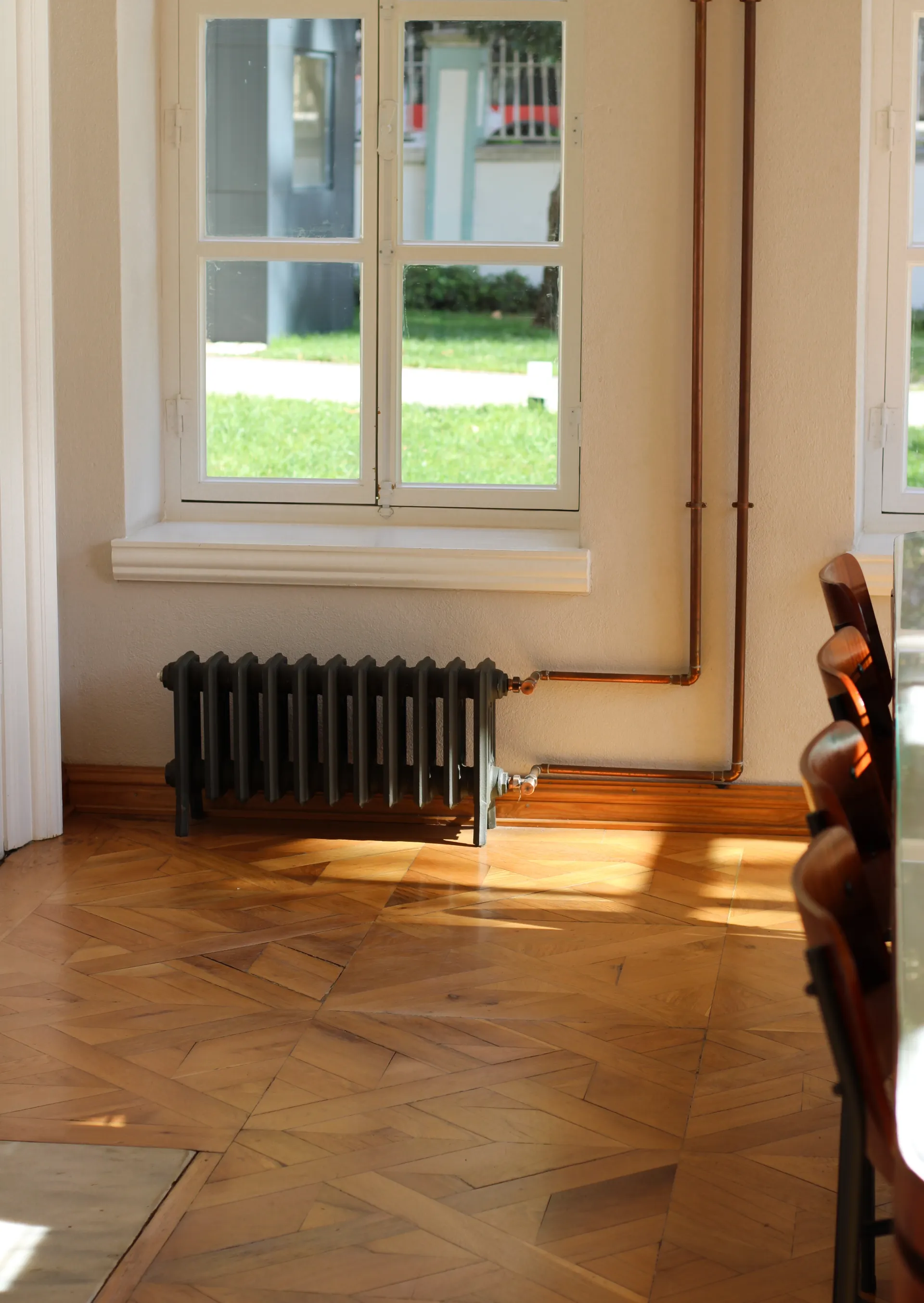
A radiator that is hot at the top and cold along the bottom is usually clogged with magnetite sludge, the black iron oxide that old systems shed. Repeated bleeding will not fix it. The partner company may recommend cleansing the circuit or a power flush, and fit a magnetic filter so the same sludge does not come back.
Cold at the Top: Trapped Air
A radiator that is hot at the bottom and cool at the top has air trapped inside. Bleeding releases it, but if the air keeps returning, the cause is a leak, a failing pump drawing air or a hard-water-eroded fitting. The partner company finds the source rather than leaving you to bleed every week.
Pumps, Zone Valves and Thermostats
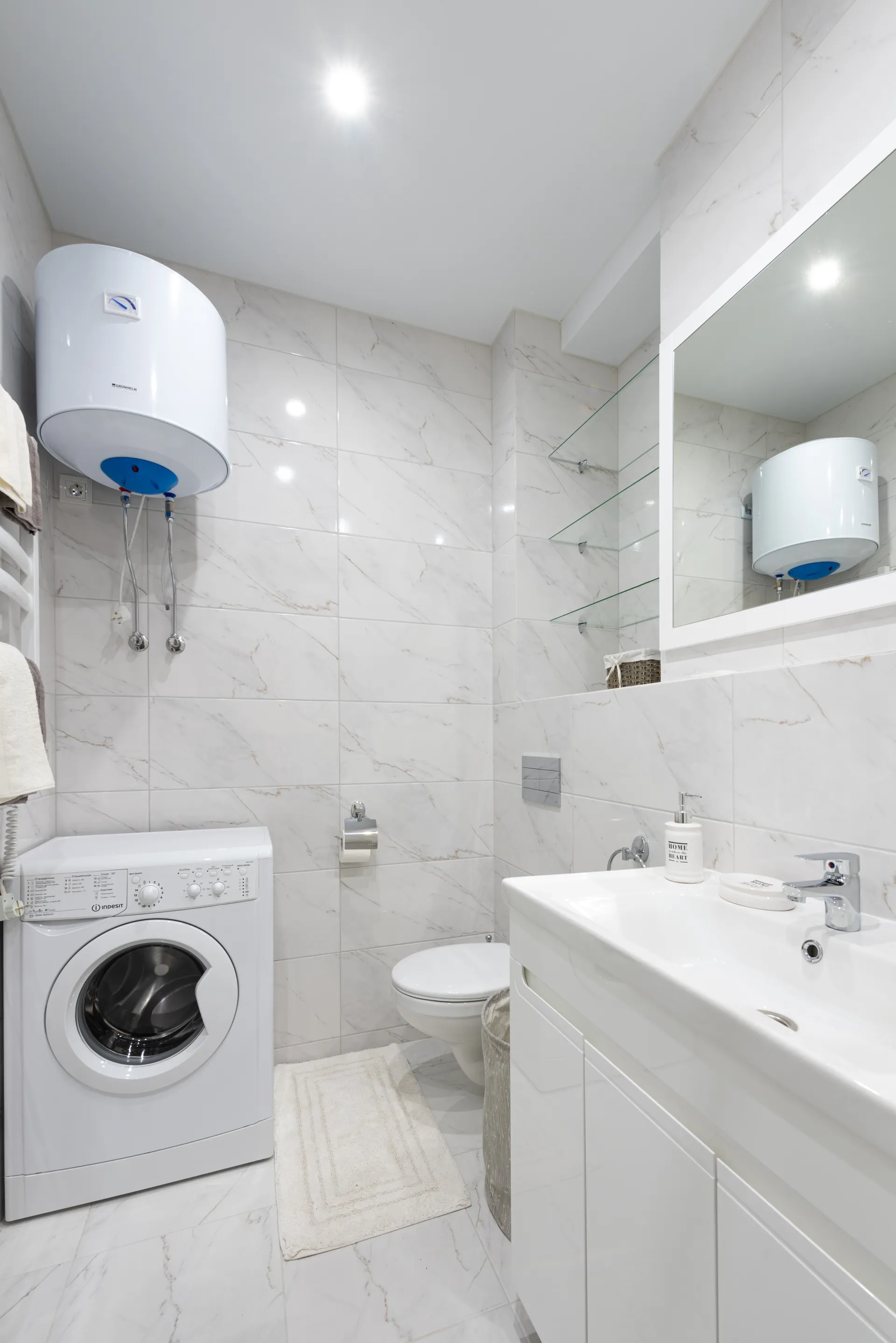
When no radiator heats, the pump or a zone valve is often the cause. Published 2026 London guides put pump replacement around £150 to £280 and a valve or thermostat replacement around £120 to £220. In houses with separate upstairs and downstairs zones, a stuck valve can leave one floor cold.
The Benefits
What Fixing the Whole Circuit Delivers
Heating repair done properly looks at the system, not just the first thing that is broken.
Even Heat Throughout the House
Balancing the radiators so the nearest one does not take all the heat gets every room warm without turning the boiler up. In a Victorian terrace with a long run of pipework to the top floor, balancing is often the cheapest improvement in comfort.
A Written Quote Before the Work
The partner company tells you what the fault is, what the parts cost and what the labour is before they start. Published guides put no-heating fault-finds around £90 to £255 before parts, so you can judge whether the quote is sensible.
Protection for the Boiler
A heating system full of sludge and scale pushes the boiler harder, shortening its life. Repairing the circuit, adding a filter and treating the water protect the boiler as well as the radiators, particularly where you are about to replace it.
Good to Know
Cold Radiator Clues and Quick Checks
Before you call, a couple of minutes of observation helps the partner company bring the right parts.
What the Pattern Tells You
Where it is cold matters more than how cold it is.
- One radiator cold throughout: a stuck valve or a blocked radiator
- Cold at the bottom only: sludge in the radiator
- Cold at the top only: air trapped, so bleed it carefully
- Whole upstairs cold: air lock, failed zone valve or pump issue
- Whole house cold, boiler on: pump, diverter or motorised valve
Safe Checks You Can Do
These do not involve opening anything electrical or gas-related.
- Check the programmer, thermostat and any app are set to heat
- Check the boiler pressure is between 1 and 1.5 bar when cold
- Turn thermostatic radiator valve heads fully up and down once
- Bleed any radiator that is cold at the top with a radiator key
- Make a note of noises, drips and which radiators work
Why Us
Why Archway Households Ring Us for Heating Problems
Heating faults in old houses reward patience and local experience.
Old Circuits Are Familiar Ground
Mixed copper and steel pipework, microbore branches added in the 1980s and radiators from three different decades are normal around Tollington Park and Whitehall Park. The partner company expects them and works through the system.
Right Specialist, Closest Company
We match the call to a partner company close to you that deals with the type of system, whether that is an open-vented system with a loft tank in a Highgate house or a sealed system in a converted flat.
One Number Until It Is Warm
If the heating fails again, call the same number and we chase the partner company. Read how we work for the process and our terms for who does what.
Heating Repair and the Wider System
Heating problems tend to be linked. A scaled or sludged system may need a power flush, an old boiler may need a service, and a leak in the pipework may call for leak detection. If the radiators are cold because the boiler has failed, see boiler repair.
Houses Where the Heating Is Hardest to Balance
Tall Victorian houses in Whitehall Park and Highgate lose heat up the stairwell, and long pipe runs mean the first-floor radiators can steal flow from the top floor. Balancing, thermostatic valves and correct pump speed are the quiet cures. The same number covers Upper Holloway, Tufnell Park and Highgate, and all our services sit behind it.
Controls That Make an Old System Work Better
Replacing a pump or a valve is often not enough on its own, because a Victorian circuit with poor controls wastes heat even when it is mechanically sound.
Thermostats, Programmers and Zones
A programmer that heats the whole house at the same hour and a single thermostat in the hall are the standard set-up in many flats. Splitting the heating into zones, adding thermostatic radiator valves and fitting a modern programmable thermostat let you heat the rooms you use. Building Regulations Part L expects reasonable controls when heating work is done, and the partner company can quote them as an option.
Balancing After Repairs
Once a pump or valve has been replaced, the radiators need balancing so heat reaches the far end of the house. In a tall terrace in Whitehall Park, that can be the difference between a warm top floor and one that never quite arrives.
Heating Repairs in Rented Flats
In rented flats, heating faults are usually the landlord's responsibility to arrange, and tenants often want something in writing. The partner company can give a written note of the fault and the quote, which you or your landlord can use to authorise the work. Tell us on the call who pays and who will let the engineer in, and keep the paperwork, since it records what was found and when.
Frequently Asked Questions
Why are my radiators cold when the boiler is working?
If the boiler fires but the radiators stay cold, the heat is not circulating. Common causes are a failed pump, a stuck motorised or zone valve, trapped air or heavy sludge in the system. Where the cold is on the radiator and which rooms are affected tell the engineer which of these is likely, so describe it carefully when you call and the partner company can bring the right parts.
How much does central heating repair cost in London in 2026?
Published London guides for 2026 put a heating failure or no-heating fault-find at roughly £90 to £280 before major parts, a pump replacement around £150 to £280 and a valve or thermostat replacement around £120 to £220. Heat exchangers or circuit boards cost more. The partner company gives you a written price once the fault is found, before it starts the repair.
Should I bleed my radiators myself?
Yes, bleeding is a safe DIY job if you use a radiator key, a cloth and turn the valve slowly until water appears. Do it when the heating is off and the radiator is cool. If you must bleed the same radiator repeatedly or the boiler pressure drops after every bleed, there is a leak or fault that needs an engineer.
What is the black water in my radiators?
It is magnetite sludge, an iron oxide formed by corrosion inside the steel radiators and pipes. It builds up in old systems and in hard-water areas where scale and corrosion combine, blocking radiators and stressing pumps. A cleanse or power flush removes it, and a magnetic filter catches what returns. The partner company can test the water and advise which is needed.
Can you fix heating without replacing the boiler?
Very often, yes. Many heating faults are in the pump, valves, controls or radiators rather than the boiler, and repairing them is far cheaper than a new boiler. The partner company will tell you honestly if the boiler is the problem. See boiler repair and boiler installation for what each involves. Knowing both options up front stops you paying for a boiler you did not need.
Why does my heating make a banging or whistling noise?
Kettling noises in the boiler are classic scale, while banging in pipes can be loose clips, air or a thermal expansion issue. Whistling at a radiator valve may mean the valve is partly seized or the system needs balancing. Tell the engineer when the noise happens, as the pattern points to the cause, and avoid ignoring scale noises as they usually get worse.
Do you repair underfloor heating and microbore systems?
Microbore pipework, found in many 1980s retrofits, is common and the partner companies work on it, though it is more prone to blockages than modern pipes. Underfloor heating is rarer in older Archway houses but appears in extensions and new basements. When you call, mention which system you have so we can match you with a company that deals with it.
What are thermostatic radiator valves and do they fail?
Thermostatic radiator valves, or TRVs, sense room temperature and control how much hot water enters a radiator. Their pins stick, particularly in hard-water areas, leaving radiators permanently cold or hot. A stuck pin can sometimes be freed, and a new TRV head or body is a modest job. Building Regulations Part L encourages TRVs and controls for efficient heating.
How long does a central heating repair take?
Straightforward faults such as a stuck valve, an air lock or a replaced pump are often fixed in one visit of an hour or two. Sludge cleansing or a power flush takes several hours to a day, and balancing a whole house takes longer. The partner company will say how long it expects when it quotes, and it should leave the heating working before it goes.
Who guarantees the repair?
The partner company that carries out the repair gives any guarantee on parts and labour, and you should ask for it in writing on the quote or invoice. We do not guarantee the work ourselves because we do not carry it out. If the fault returns, ring our number and we chase the partner company so you are not left with a cold house.
House Still Cold? Get a Heating Engineer on the Way
Central heating repair in Archway, Tufnell Park, Upper Holloway and Highgate. Call 07463 596668.
07463 596668